What a CNG Vehicle Fire Teaches Us About Safety and Communication
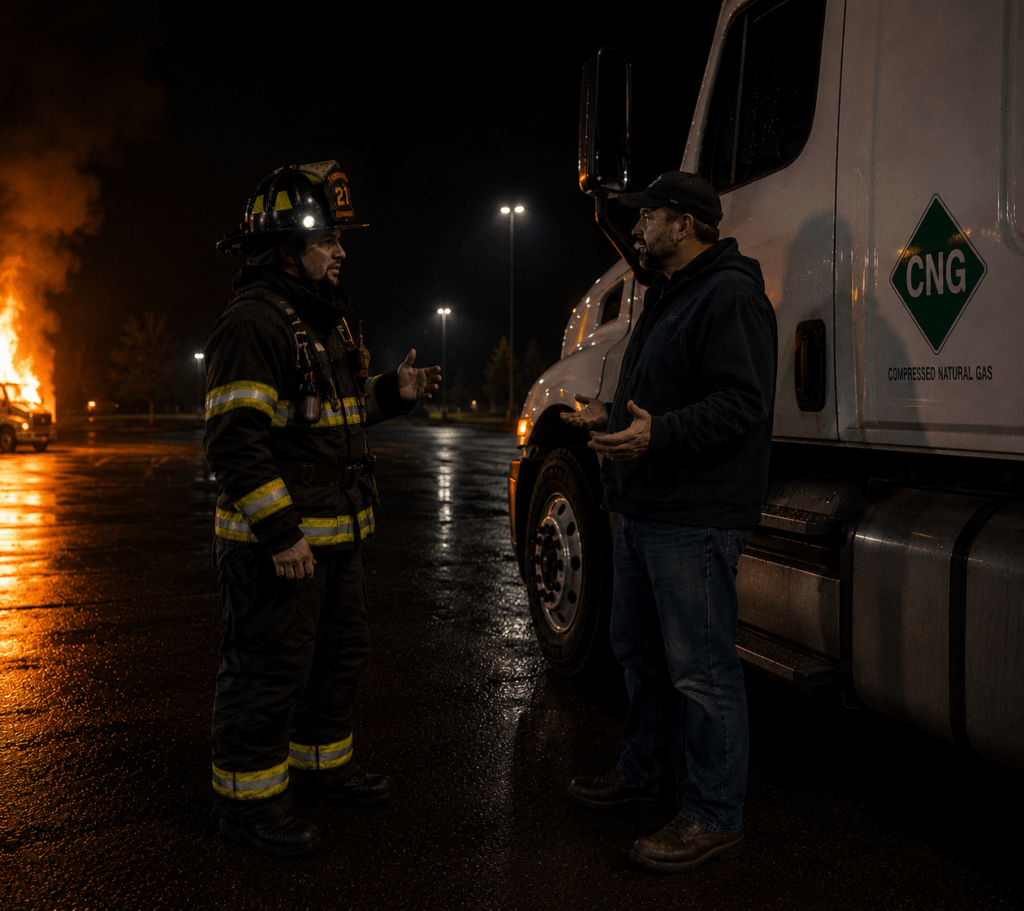
Incidents involving alternative fuel vehicles are rare—but when they occur, they tend to make headlines. In 2024, a CNG vehicle fire injured several responding firefighters. Initial concerns focused on the fuel system, but later findings indicated it had functioned as designed. Still, there are ways CNG safety training, communication, and situational awareness can help prevent similar outcomes.
Should You Handle CNG Fuel System Inspections In-House or Outsource Them?

Running a CNG fleet comes with no shortage of operational demands, and training in-house fuel system inspectors can feel like an added burden. In some cases, the issue may not be financial. Workforce shortages can make it difficult for some fleets to find qualified technicians with experience in alternative fuels, let alone meet all industry codes and standards.
Hydrogen Fuel System Inspections: Why Training Alone Isn’t Enough

Hydrogen is still in the early stages of adoption as a transportation fuel. For this reason, fleets that are incorporating hydrogen vehicles (or are planning to) must recognize that inspection quality carries greater consequences than with other alternative fuels.
Understanding the Differences Between Pre-Delivery and Pre-Service CNG Inspections
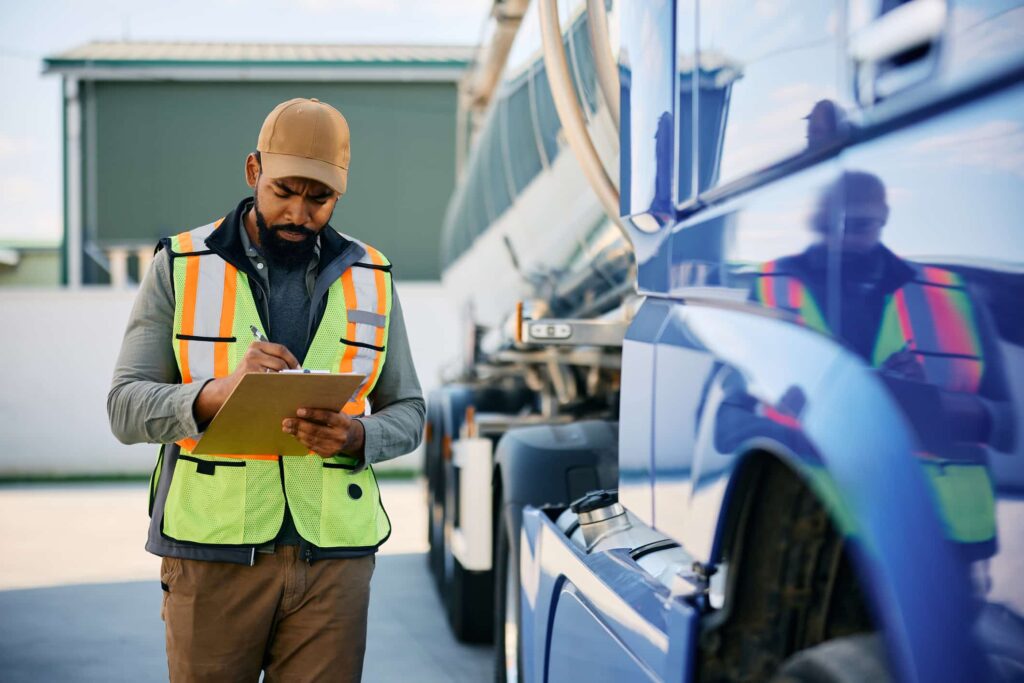
Compressed natural gas (CNG) vehicles are engineered with high-pressure fuel systems that must meet the appropriate industry codes and standards. Their level of complexity requires vehicle manufacturers and fleets to inspect these systems for quality control and safety.
As BEV Growth Slows, Propane Autogas Hybrid Vehicles Offer an Alternative
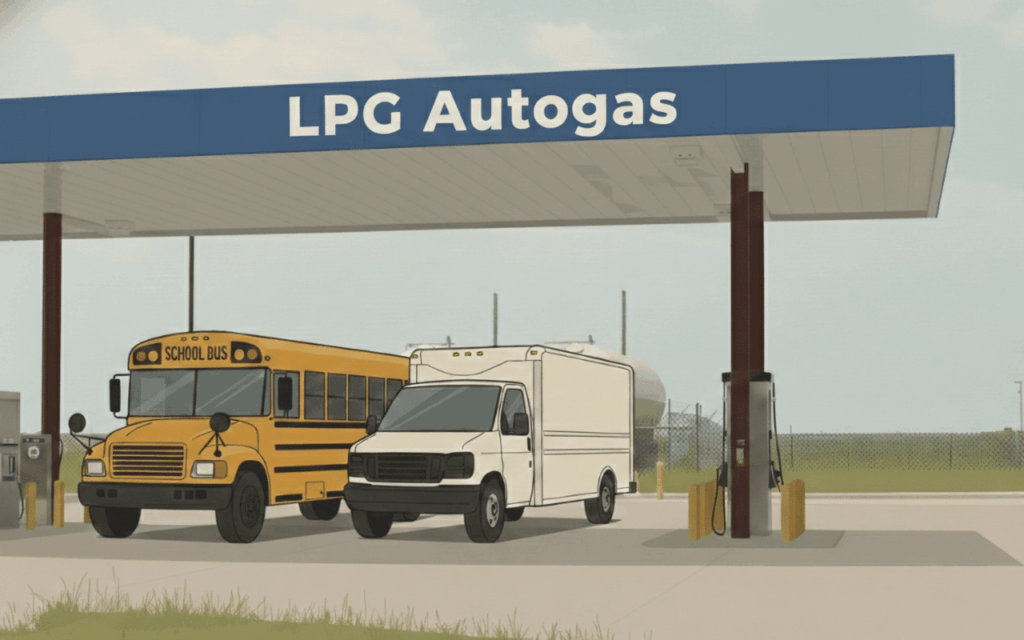
Battery-electric vehicles continue to play a role in certain applications, but adoption rates have slowed. Some companies are less inclined to invest in them due to cost, charging infrastructure limitations, and operational challenges.
Government Grants for Natural Gas Vehicles: Why Training Shouldn’t Be Overlooked

Across the country, fleets are looking for ways to reduce expenses and modernize their operations. Government grants for natural gas vehicle projects have been an important tool in making that possible. These funding opportunities can cover substantial portions of the cost for purchasing natural gas vehicles, and, in some cases, even cover the building of CNG fueling stations to support them.
Press Release: AFVi Offers New Hydrogen Training and Certification for Fuel System Inspectors
AFVi is proud to announce the final courses in its hydrogen curriculum: H2 201: Hydrogen Vehicle Fuel System Inspector Training, and the accompanying certification exam. Offering real-time instruction from an industry expert, as well as a nationally recognized certification program for inspecting hydrogen fuel systems, H2 201 applies to both hydrogen fuel cell electric vehicles (FCEVs) and hydrogen internal combustion engine (H2-ICE) vehicles.
Press Release: How Waste Pro USA Saves Millions With Natural Gas Vehicles in Their Refuse Fleet
NGVs Are Saving Waste Pro USA $5.2 Million a Year Waste Pro USA is leading by example when it comes to sustainable fleet management. With operations spanning 12 states across the Southeastern U.S., this regional refuse company has adopted natural gas vehicles (NGVs) as a core part of its strategy to reduce fuel costs, minimize […]
AFVi Expands CNG Fuel System Inspector Training With U.S. and Canadian Course Options
A Binational Approach to CNG Vehicle Safety and Compliance Compressed natural gas (CNG) vehicles are expanding across North America as fleets seek cleaner, more affordable fuel options. But with that growth comes the responsibility of keeping vehicles safe and properly maintained — especially across national borders. For improved fleet maintenance throughout North America, AFVi has […]
Press Release: How VoltaGrid Scaled Safe Driver Training for Virtual Pipeline Operation
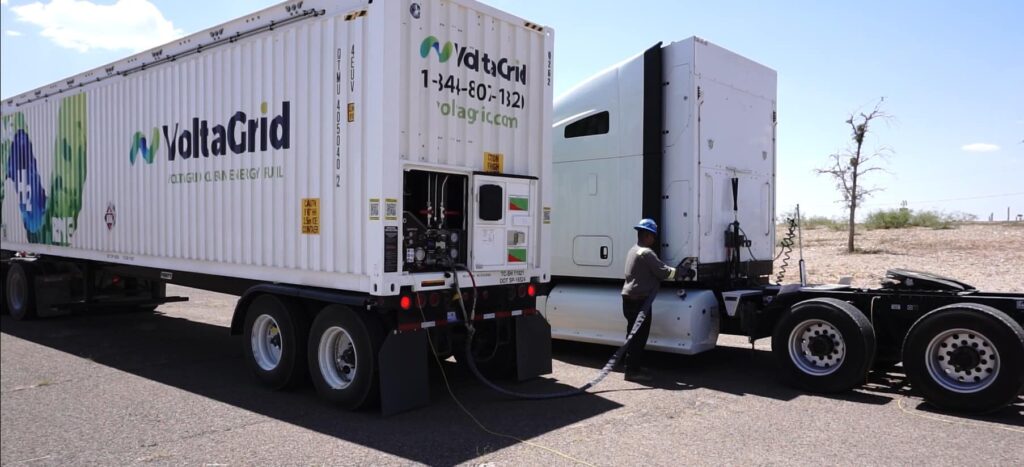
Virtual pipelines are systems that deliver compressed natural gas (CNG), renewable natural gas (RNG), liquefied natural gas (LNG), or hydrogen by road using specialized trailers, rather than through fixed, underground pipeline infrastructure. These mobile fueling operations are essential for bringing clean energy to areas that lack traditional access. One of the most prominent companies that […]